
Community Action: Nambucca Environment Network
Congratulations to Nambucca Environment Network
As a result of a local, grassroots campaign by Nambucca Environment Network (NEN), the Nambucca Valley Council in NSW has voted to require Development Applications for intensive blueberry farming and other horticulture operations in the region.
This will improve environmental and health protections of the community, given the highly hazardous chemicals being sprayed on blueberries in the region which are polluting waterways and endangering health in the area.
This is an important milestone, demonstrating that community action and mobilisation can achieve important progress to protect our health and environment, in the absence of appropriate regulatory enforcement.
More, however, needs to be done to protect residents in and around the valley, the water, wildlife, soil, and all Australian consumers of the blueberries.
Pesticide Action Australia encourages communities around Australia to follow NEN’s lead and start coordinating a grassroots, local movement to protect your health and environment from the harm caused by hazardous pesticides.
Why are community members needing to take action?
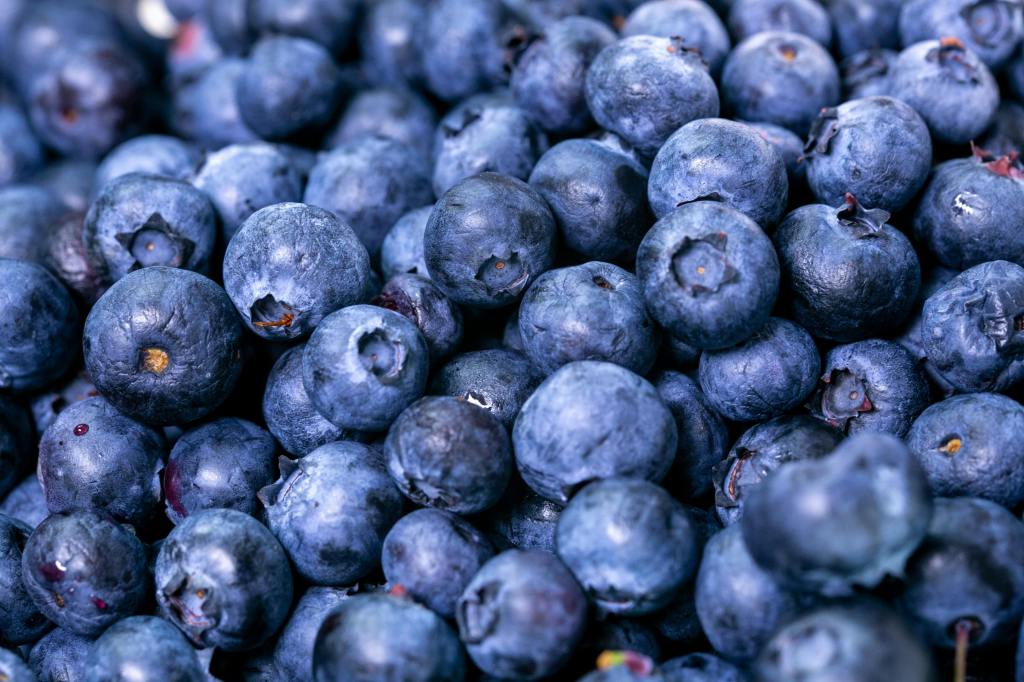
Blueberries should be a healthy source of antioxidants and vitamin C. Industrially-farmed blueberries are, however, one of the Dirty Dozen of fruit and vegetables that contain the highest residues of pesticides.
Australian blueberries farmed in the Nambucca Valley, NSW have been found with large concentrations of thiometon and chlorpyrifos residues in them.
Other highly hazardous pesticides including diuron, atrazine, chlorpyrifos and neonicotinoids like imidacloprid are being found in local waterways, and have a significant impact on local marine life according to Professor Kirsten Benkendorff from Southern Cross University. Over 98% of sprayed insecticides and 95% of herbicides reach a destination other than their target (such as rivers, bees and other beneficial pollinators, birds, soil, fish, frogs etc), because they are sprayed or spread across entire agricultural fields.
See this video from the USA for an example of how blueberries are sprayed with pesticides.
5 ways you can support Nambucca Environment Network
- Avoid buying blueberries farmed from Nambucca Valley, NSW.
- Donate what you can to NEN to contribute to their campaign: BSB 533000, Account Number 02153376. Or join as a paid member.
- Advise your loved ones and networks to avoid blueberries from Nambucca Valley – it is possible they are causing the people you care about harm. Adopt the precautionary principle of ‘when it doubt, avoid’.
- Eat as much pesticide-free produce as you can, and support nature-friendly, pesticide-free, locally grown businesses.
- Support NEN at local council meetings if you’re in the area. If outside of the area then write letters to Nambucca Valley Council and spread the word on social media.
What are these chemicals used on Nambucca Valley blueberries?
Chlorpyrifos is a highly neurotoxic organophosphate pesticide, belonging to the same family of nerve agent as sarin gas, which was developed by the Nazis in WWII.
The American Academy of Pediatrics, which represents more than 66,000 pediatricians and pediatric surgeons in the USA, has warned that the use of chlorpyrifos puts developing foetuses, infants, children and pregnant women at great risk. The Endocrine Society have written about the harm of chlorpyrifos, stating there is “ample evidence that chlorpyrifos has extensive effects on neurological and endocrine systems with demonstrated evidence of harm to humans and wildlife” and that “existing chlorpyrifos tolerances do not comply with the ‘reasonable certainty of no harm’ safety standard”.
The European Union (EU) has stated there is no safe exposure level for chlorpyrifos as it stunts the normal development of the nervous system, particularly in children, and have banned it.
Human Rights Watch have called for the ban of chlorpyrifos, along with 100+ organisations in the USA, stating that prenatal exposure to very low levels of chlorpyrifos – levels far lower than what regulators have used to set maximum residue limits – harms babies permanently.
Scientists have linked chlorpyrifos to severe brain damage in children and foetuses, lowering child IQ, causing neurological disorders, ADHD, and lowering birth weight. As an endocrine disrupter, chlorpyrifos lowers sperm count, and changes estrogen and testosterone levels.
The United Nations Special Rapporteur on Toxics and Human Rights has said inaction on chlorpyrifos is ‘a clear example of how States around the world aren’t considering the rights of the child when they make decisions on chemicals’.
Chlorpyrifos is so dangerous it has been listed as a candidate for adding to the Stockholm Convention on Persistent Organic Pollutants (POPs).
For these reasons, 44 countries around the world have banned chlorpyrifos to protect children and the environment. 33 countries have banned chlorpyrifos-methyl.
As well as the 27 EU countries banning it, the UK has banned it. Canada has banned it. Chile, Indonesia and Turkey have banned it. Hawaii, Maryland, New York, Oregon, and California have banned it.
Australia’s federal regulator, the APVMA, reapproved the use of chlorpyrifos in Australia in 2024. APVMA continues to generate revenue from the sale of chlorpyrifos in Australia. APVMA is the only regulator in the OECD to be majority-funded by industry (87% industry-funded in 2023-24, and 95% industry-funded in 2022-23).
Thiometon is an insecticide and acaricide often used to control lice, mites and sawflies. Thiometon is banned in 39 countries, including all of the EU and UK. APVMA have approved Thiometon for use in Australia.
The registrant of Thiometon in Australia is Switzerland-based, Chinese-owned Syngenta. Thiometon is banned in Switzerland, where the company is headquartered. This is another example of companies exporting hazardous pesticides to Australia, when they will not expose their own people to it, given the harm it causes.
Thiometon is banned by Tesco supermarkets in the UK for use by its suppliers because of the harm caused to its customers and the environment. Along with many other supermarkets in the UK, Tesco has a Pesticide Policy that offers an example to Australian supermarkets to follow suit.
Thiometon has been banned in India since 2018.
Did you know?
Levels of vitamin C in organic, pesticide-free blueberries have been found to be significantly higher than blueberries sprayed with pesticides, and don’t contain any residues of the pesticides that cause such harm to human health and our environment.
5 tips from NEN for Australian communities
- Speak up and speak out: Be bold, stand up, and tell your story about the harm being caused.
- Document the harm and collect the evidence: Take photos, collect samples, get testing done, collect testimonies and have people testify. We can’t campaign without evidence and unfortunately in this country the onus is on us.
- Be mindful of your mental health: This is hard work and a long-term campaign. We are people who work and look after our families – these come first. We campaign on the side.
- Look into different avenues of complaints: eg. SafeWork NSW have their Speak Up. Save Lives campaign. Collect your evidence and put in the complaints.
- Don’t be afraid: We will all receive threats and abuse from industry and authorities. Stand up and tell the truth.
 Pesticide Action Australia